Expert Career Guidance by Silchar Job Consulting — #1 North East Recruitment & Placement Solution Agency
In an increasingly unforgiving labor market, securing employment requires far more than academic credentials or technical competence. The modern job interview is a rigorous multidimensional assessment designed to evaluate not only what you know, but who you are — your professionalism, adaptability, judgment, communication style, and long-term organizational value.
At Silchar Job Consulting, based in Silchar, recruiters consistently observe that candidates often underestimate the strategic nature of interviews. Many qualified applicants fail not because they lack skills, but because they lack preparation, awareness, and interview intelligence.
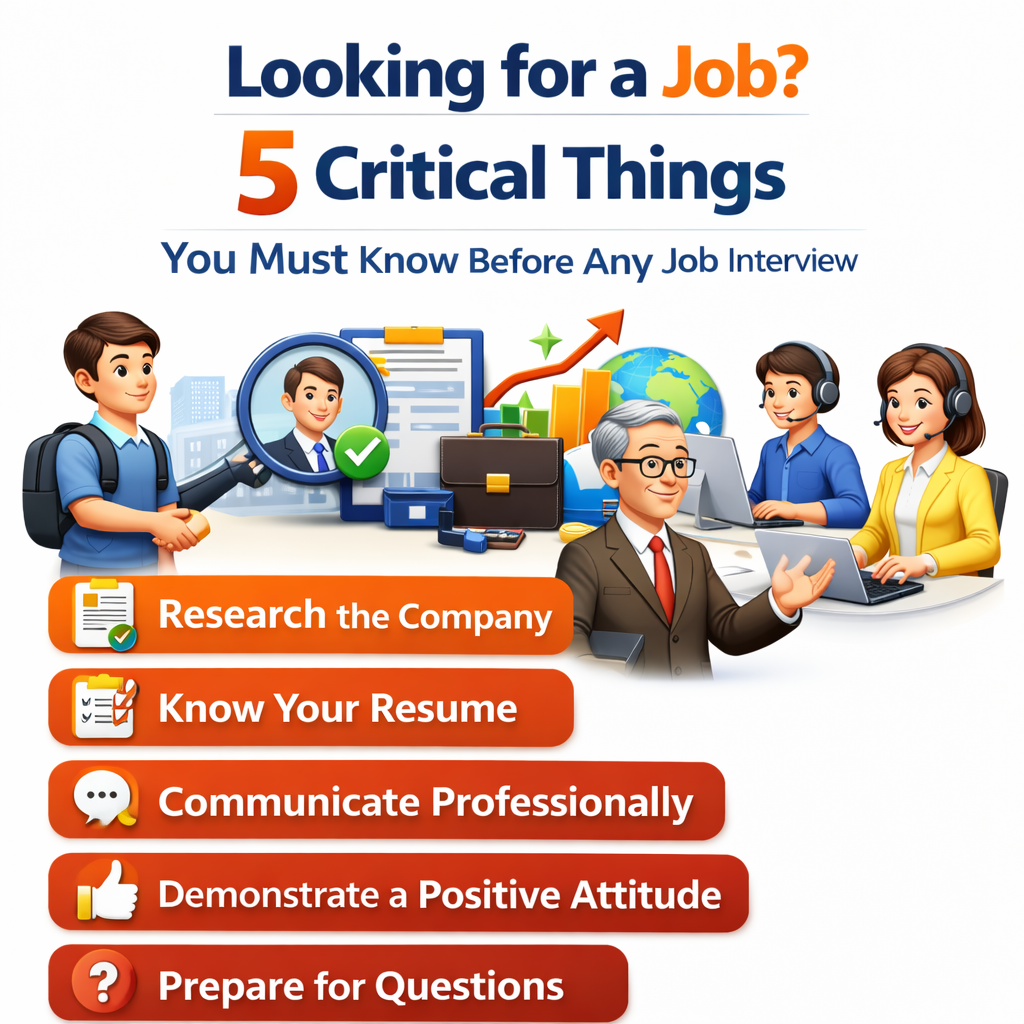
This comprehensive, high-authority guide outlines five essential things every job seeker must know before attending any interview, using globally aligned best practices commonly applied by leading U.S. organizations and multinational employers.
- Deep Company Research Is Not Optional — It Is Expected
Why This Matters
Interviewers interpret preparation as a proxy for work ethic. A candidate who arrives uninformed signals indifference, poor initiative, and potential disengagement. Conversely, a well-researched applicant demonstrates intellectual curiosity, professionalism, and genuine interest.
What You Must Research
At minimum, you should understand:
Core products or services
Target market and customers
Organizational mission and values
Recent developments or expansions
Competitive positioning
Leadership structure (if available)
Failing to acquire this knowledge suggests that you view the interview merely as a transaction rather than a strategic career move.
Advanced Preparation Strategy
Review the company’s official website, social media presence, news coverage, and industry context. If possible, speak with current or former employees to gain insider perspectives.
How to Demonstrate Your Research
Use specific references during the interview:
“I noticed your organization recently expanded into digital services, which aligns closely with my background in customer support and technology integration.”
Such statements differentiate serious candidates from casual applicants. - Your Resume Will Be Interrogated — Know It Thoroughly
The Hidden Reality of Interviews
Employers often ask questions not to gather new information but to verify the authenticity and depth of what is written on your resume. Inconsistencies, exaggerations, or vague descriptions can immediately undermine credibility.
Prepare to Explain Every Detail
Be ready to discuss:
Specific responsibilities in previous roles
Quantifiable achievements
Challenges faced and solutions implemented
Skills applied in real situations
Reasons for job transitions
If you cannot articulate your own experience clearly, employers may conclude that your claims are inflated or inaccurate.
Use Evidence-Based Communication
Whenever possible, provide measurable outcomes:
“Increased sales by 18% within six months”
“Reduced processing time by 30%”
“Handled over 80 customer interactions daily”
Numbers convey impact and competence far more effectively than generic statements. - Professional Communication Determines Perception
Communication Is More Than Speaking
Interviewers evaluate tone, vocabulary, listening ability, clarity, and composure. Even highly skilled candidates can be rejected if they communicate poorly or appear unprofessional.
Key Communication Principles
Speak clearly and concisely
Avoid slang or informal expressions
Listen carefully before answering
Maintain respectful language
Structure responses logically
The Importance of Confidence Without Arrogance
Overconfidence can appear dismissive, while excessive humility may signal lack of capability. The ideal balance communicates assurance grounded in evidence.
Nonverbal Communication Matters Equally
Body language often influences impressions subconsciously. Maintain:
Steady eye contact
Upright posture
Controlled gestures
Calm facial expressions
Professional demeanor
These signals convey reliability and emotional stability. - Employers Evaluate Attitude as Much as Skill
Why Attitude Is a Decisive Factor
Skills can be taught; attitude is difficult to change. Organizations prioritize candidates who demonstrate:
Accountability
Adaptability
Team orientation
Problem-solving mindset
Emotional intelligence
Willingness to learn
A technically competent but negative employee can damage morale, productivity, and customer relationships.
Avoid Common Attitude Pitfalls
Do not display:
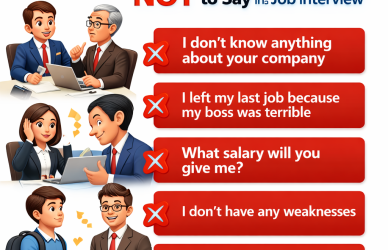
Blame toward previous employers
Entitlement mentality
Resistance to feedback
Excessive self-promotion
Lack of enthusiasm
Demonstrate a Growth Mindset
Employers favor individuals who view challenges as opportunities rather than obstacles.
Example response:
“I see this role as a chance to expand my skills while contributing meaningfully to the organization’s objectives.”
Such language signals motivation and long-term commitment. - Preparation for Questions Is Essential — Both Asked and Asked Back
Anticipate Standard Interview Questions
Most interviews include variations of predictable themes:
Tell us about yourself
Why do you want this job?
What are your strengths and weaknesses?
Describe a challenging situation you handled
Where do you see yourself in five years?
Preparing thoughtful, structured responses prevents hesitation and rambling.
Use the STAR Method for Behavioral Questions
Structure answers using:
Situation — Context of the scenario
Task — Your responsibility
Action — Steps you took
Result — Outcome achieved
This approach demonstrates analytical thinking and accountability.
Prepare Intelligent Questions for the Employer
When asked, “Do you have any questions for us?” never respond with “No.” This suggests passivity or lack of interest.
Instead, ask about:
Performance expectations
Team structure
Training opportunities
Growth pathways
Organizational priorities
Thoughtful questions transform the interview into a professional dialogue.
Additional Critical Factors That Influence Interview Success
Punctuality and Professional Appearance
Arriving late or dressing inappropriately creates negative impressions before the interview even begins. Plan logistics carefully and choose attire consistent with the organization’s culture.
Documentation Preparedness
Carry multiple copies of your resume, certificates, identification, and any relevant portfolio materials.
Mental Readiness
Manage anxiety through preparation, practice, and adequate rest. A composed candidate performs significantly better than a stressed one.
Why Many Candidates Fail Despite Being Qualified
Based on extensive recruitment experience, common failure reasons include:
Inadequate preparation
Poor communication skills
Negative attitude
Lack of clarity about career goals
Inconsistent responses
Weak self-presentation
Recognizing these pitfalls allows candidates to avoid them proactively.
How Silchar Job Consulting Prepares Candidates for Interview Success
As a leading recruitment consultancy in North East India, Silchar Job Consulting provides comprehensive support designed to maximize placement success:
Resume optimization and formatting
Mock interview simulations
Communication training
Industry-specific coaching
Confidence development programs
Career counseling
These services transform uncertain applicants into competitive candidates.
Long-Term Career Benefits of Interview Mastery
Interview skills extend far beyond job acquisition. Professionals who communicate effectively gain advantages in:
Promotions and leadership roles
Client negotiations
Public presentations
Networking opportunities
Professional credibility
Thus, mastering interviews is an investment in lifelong career advancement.
Final Thoughts
A job interview is not a casual conversation — it is a structured evaluation of competence, character, and potential. Success requires deliberate preparation, strategic communication, and professional conduct.
By understanding the five critical factors outlined in this guide — comprehensive research, resume mastery, communication excellence, positive attitude, and thorough preparation — candidates can significantly increase their chances of receiving job offers even in highly competitive environments.
Silchar Job Consulting — #1 North East Recruitment & Placement Solution Agency — remains committed to guiding job seekers toward meaningful employment through ethical practices, expert training, and access to verified opportunities.
Whether you are a fresher entering the workforce or an experienced professional seeking advancement, preparation is the decisive factor that converts opportunity into achievement.
Silchar Job Consulting — Empowering Careers, Connecting Talent, Building Futures.